

2026 Gardening & Landscaping Trends
As we move into 2026, gardens are becoming more than just attractive outdoor spaces. They’re evolving into climate-resilient landscapes, wildlife havens, productive growing areas, and personal sanctuaries. Homeowners are increasingly looking for gardens that reflect their values — sustainability, wellbeing, and individuality — while still being practical and beautiful.
Here are the key gardening and landscaping trends set to shape 2026.
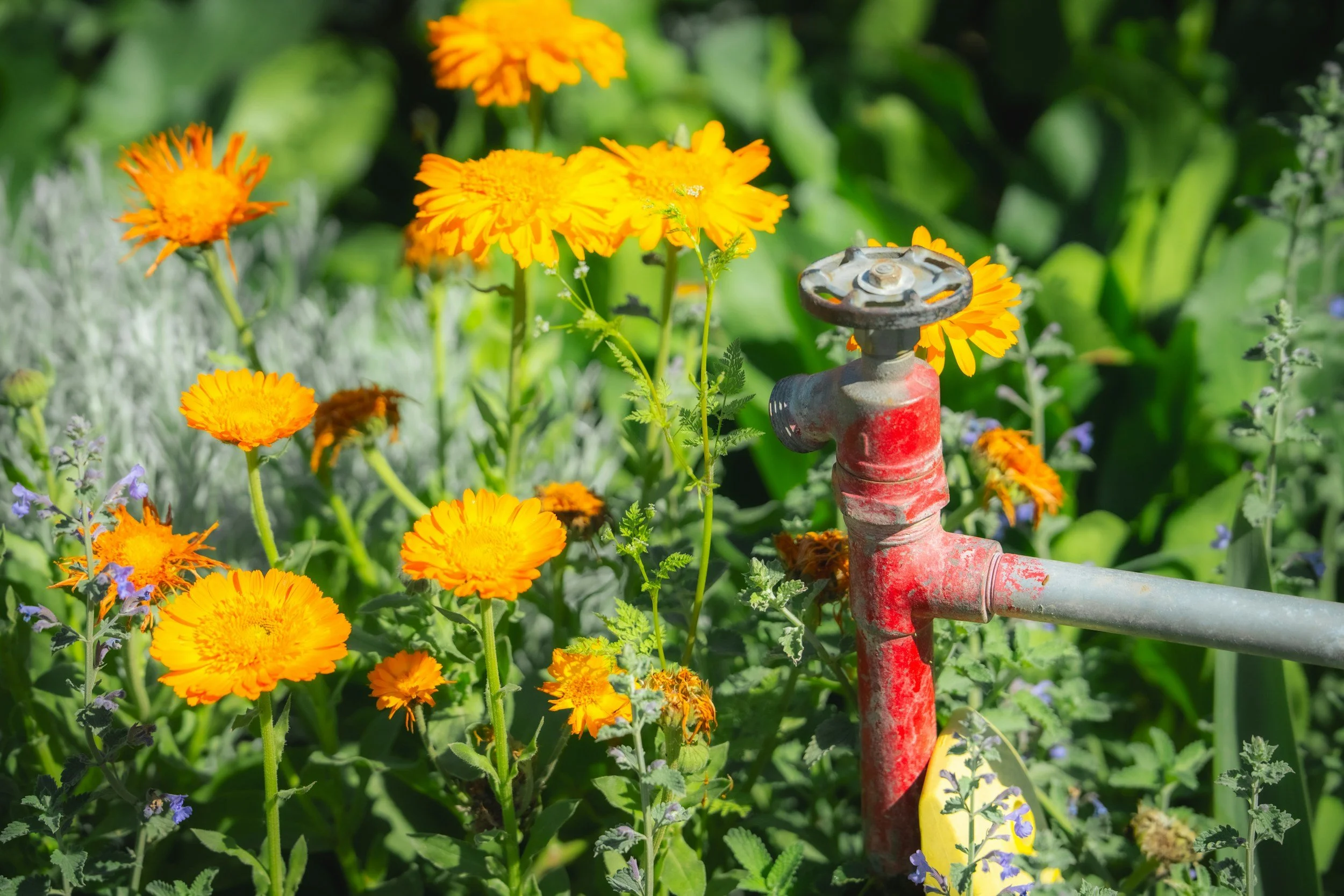
1. Climate-Resilient Garden Design
Climate awareness continues to influence how gardens are designed and planted.
Gardeners are choosing plants that cope well with warmer temperatures, irregular rainfall, and changing seasons. Drought-tolerant species, hardy perennials, and native plants are becoming staples in both new designs and garden renovations.
Landscapes are also being shaped to manage water more effectively, with features such as mulched beds, rain-friendly planting areas, and permeable paths helping gardens thrive with less reliance on constant watering.
The result: gardens that are robust, lower-maintenance, and better suited to future conditions.
2. Edible Gardens with Decorative Appeal
Growing food at home is no longer limited to vegetable patches hidden at the back of the garden.
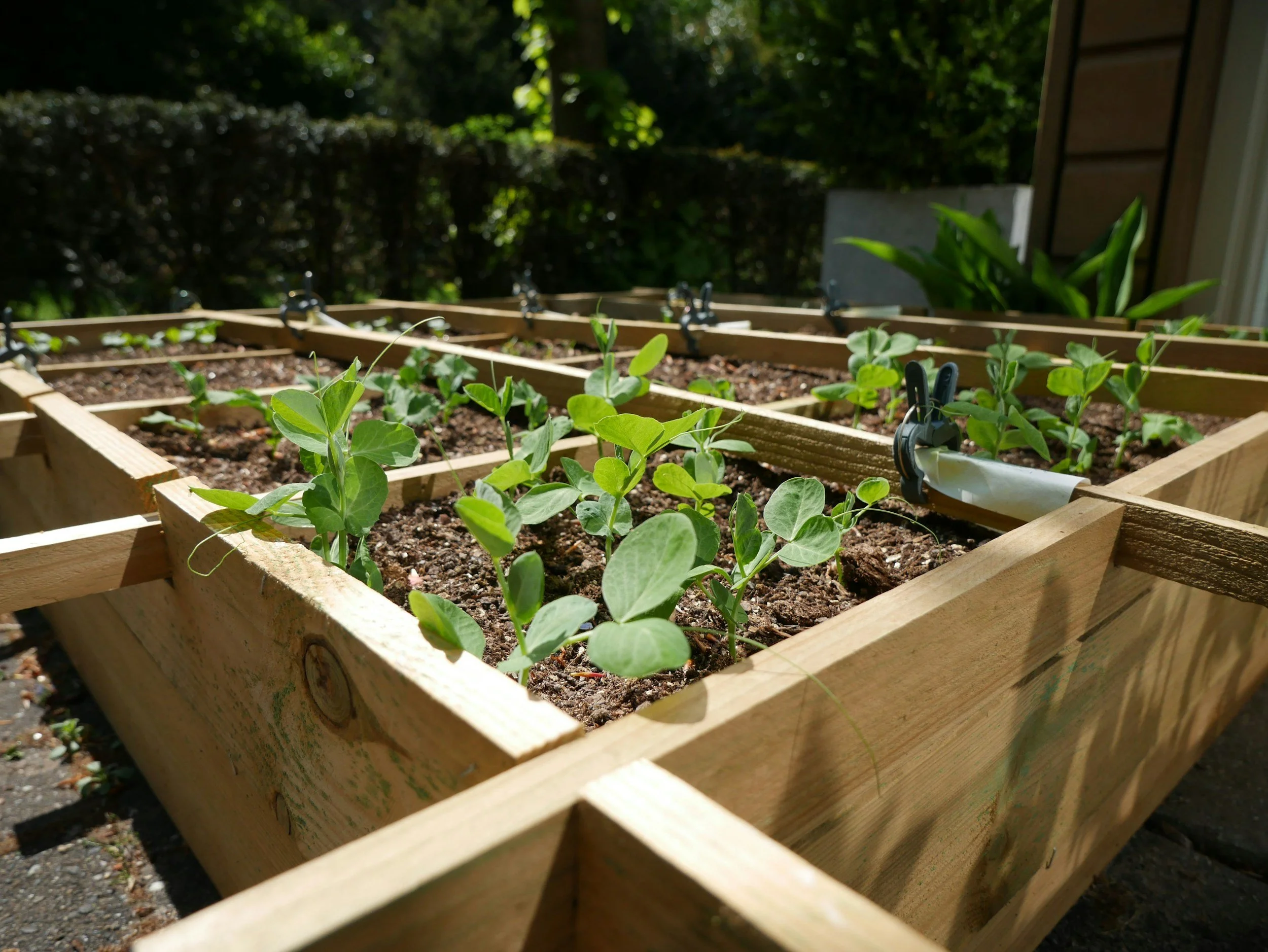
In 2026, edible plants will be fully integrated into ornamental planting schemes. Herbs, fruit bushes, leafy greens, and even compact fruit trees are being used alongside flowers and shrubs to create borders that are both productive and visually appealing.
For smaller gardens, patios, and balconies, containers and raised beds allow homeowners to grow fresh produce without sacrificing space or style.
The result: gardens that are attractive, practical, and rewarding year-round.
3. Wildlife-Friendly and Biodiverse Spaces
Supporting nature has become a core part of modern gardening.
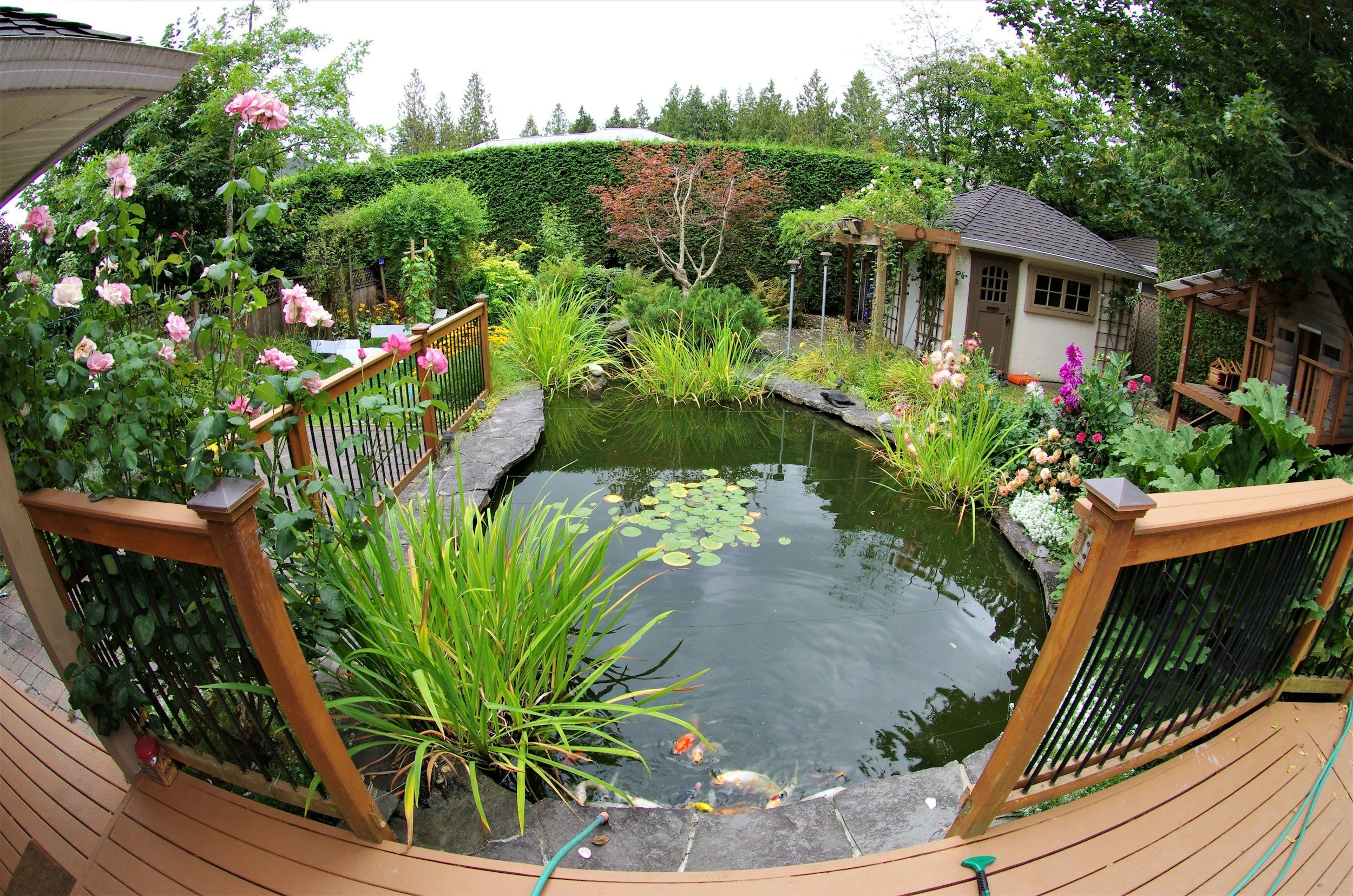
Planting schemes now prioritise diversity, ensuring there are flowers and habitats available for insects and birds throughout the seasons. Native plants, flowering shrubs, grasses, and seed-rich perennials help create balanced garden ecosystems.
Features such as ponds, wildflower areas, and natural hedging are increasingly popular, transforming gardens into small but valuable wildlife corridors.
The result: living landscapes that contribute positively to the local environment.
4. Bold Colour and Texture
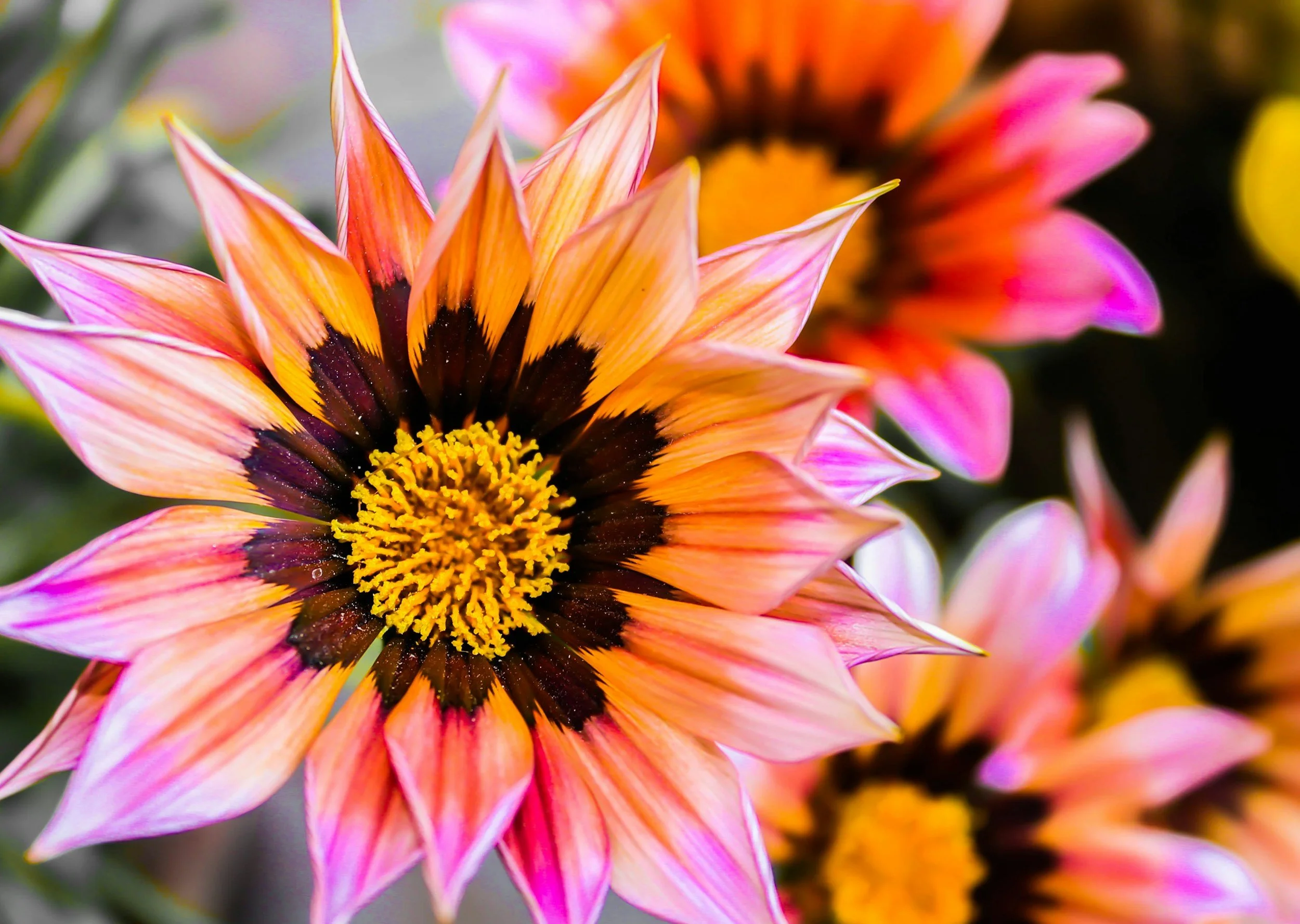
After years of muted palettes, 2026 gardens are embracing stronger colours and richer textures.
Deep reds, burnt oranges, warm browns, and dark purples are being paired with layered greens and silvery foliage. Structural plants, ornamental grasses, and bold leaves add interest even when flowers are not in bloom.
Rather than relying on seasonal colour alone, gardeners are focusing on year-round visual impact.
The result: gardens that feel expressive, dramatic, and dynamic in every season.
5. Lush, Layered Planting Styles
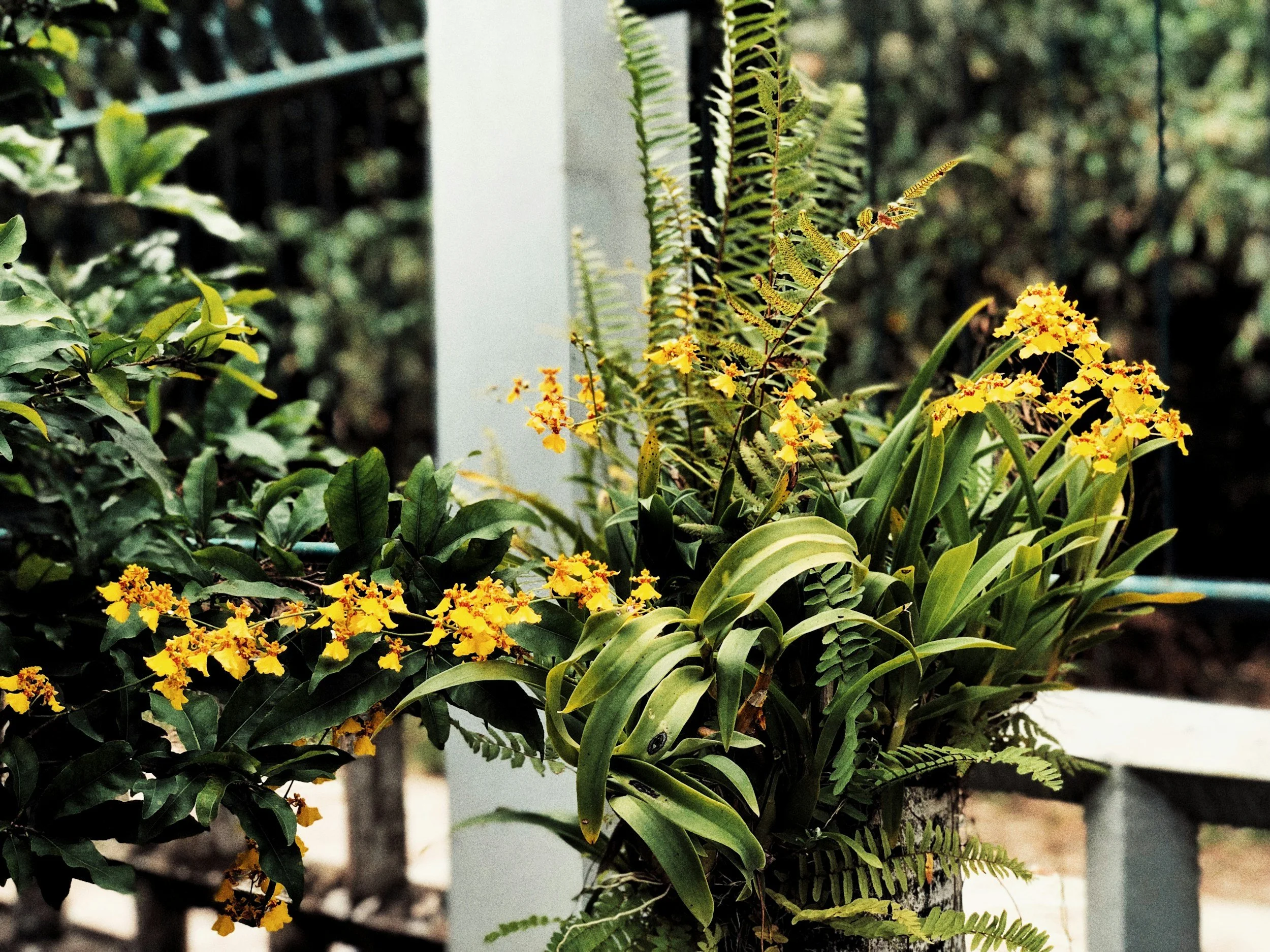
Minimalist planting is giving way to fuller, more immersive designs.
Borders are becoming denser, mixing plants of different heights, shapes, and textures. This layered approach not only looks abundant but also helps suppress weeds and retain moisture in the soil.
Mixing ornamental plants with edibles and native species creates gardens that feel natural, productive, and alive.
The result: vibrant, thriving spaces that feel rich rather than rigid.
6. Gardens as Outdoor Living Spaces
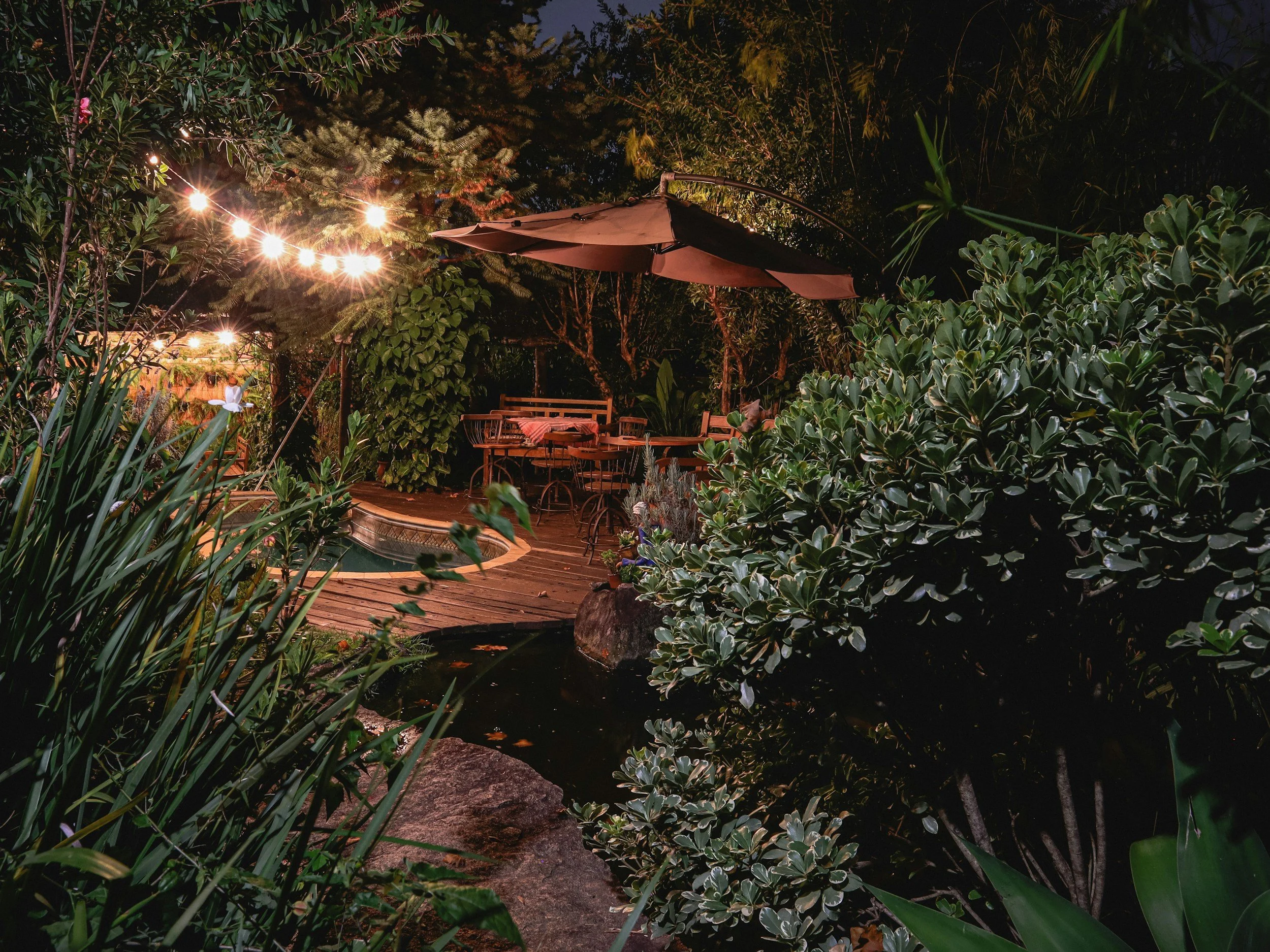
Gardens in 2026 are designed to be used, not just admired.
Outdoor seating areas, dining spaces, pergolas, and fire features are being incorporated to create functional zones. These spaces allow homeowners to relax, entertain, and enjoy their gardens from early spring through to autumn — and even into winter.
Natural materials such as timber, stone, and textured paving help blur the line between indoor and outdoor living.
The result: gardens that feel like an extension of the home.
7. Container and Vertical Gardening
With many people working with smaller outdoor areas, creative planting solutions are essential.
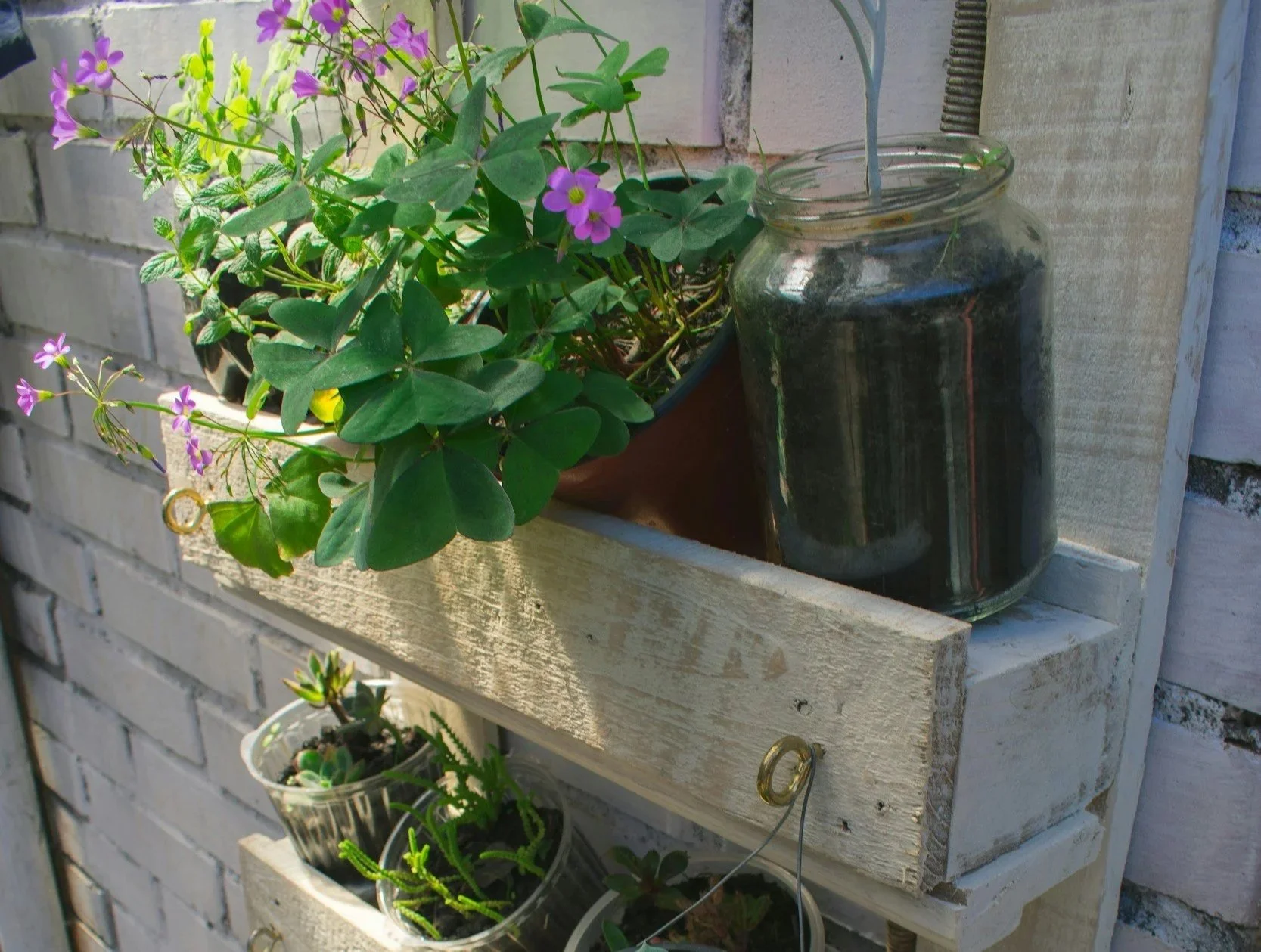
Large statement pots, raised planters, and vertical planting systems allow for flexibility and visual interest without needing large lawns or borders. Climbers, trailing plants, herbs, and compact vegetables thrive in these setups.
This trend also allows gardens to evolve easily, with planting schemes refreshed as tastes or seasons change.
The result: adaptable gardens that suit modern living.
8. Wellness-Focused Garden Design
Gardens are increasingly seen as places for relaxation and mental wellbeing.
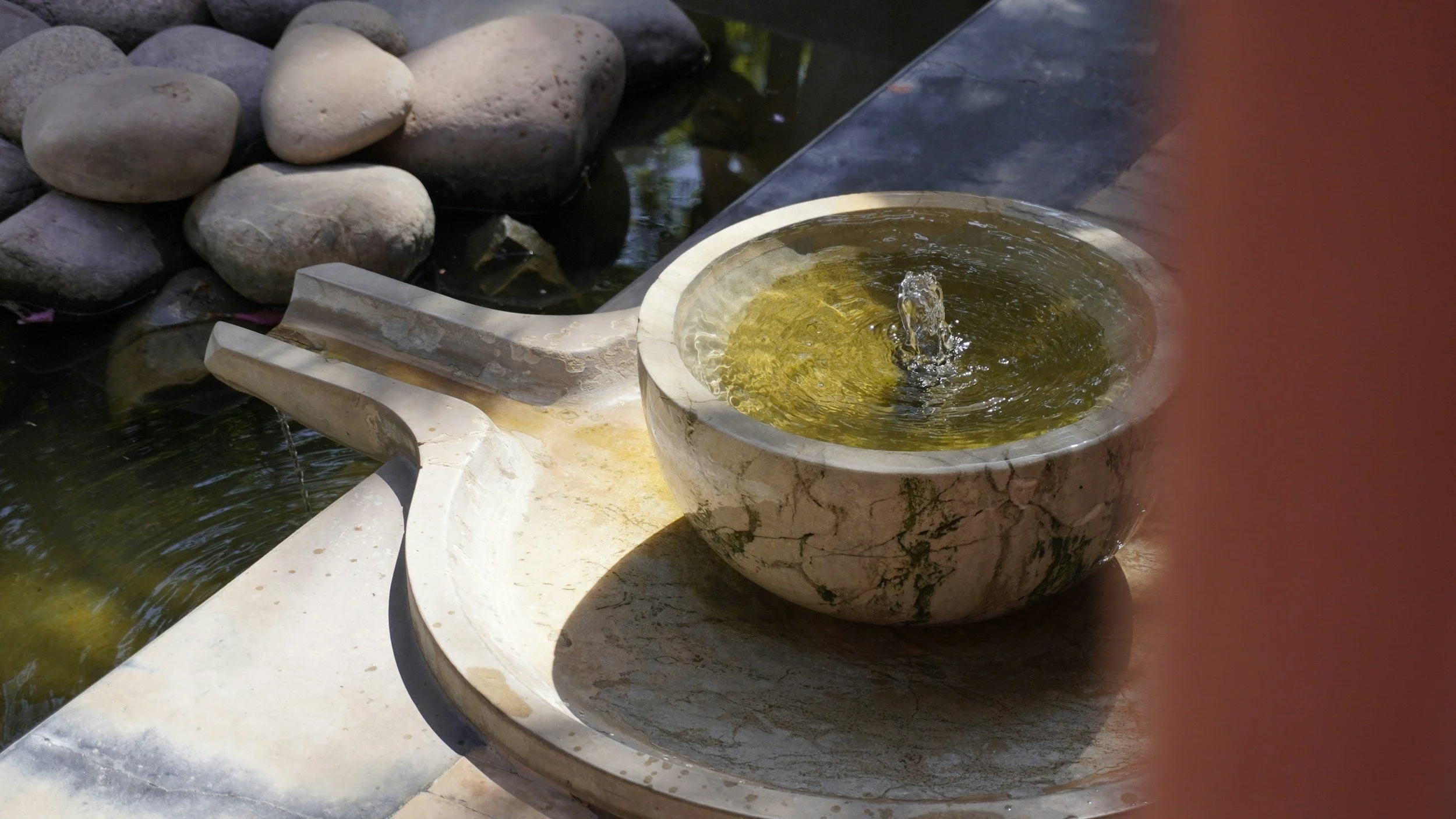
Designs focus on calm layouts, gentle movement, and sensory experiences. Fragrant plants, soft planting textures, shaded seating, and subtle water features help create peaceful environments.
Dedicated spaces for reflection, yoga, or quiet time are becoming more common, particularly in busy households.
The result: gardens that nurture both body and mind.
9. Naturalistic but Intentional Planting
The relaxed, natural look continues to grow in popularity — but with a more thoughtful approach.
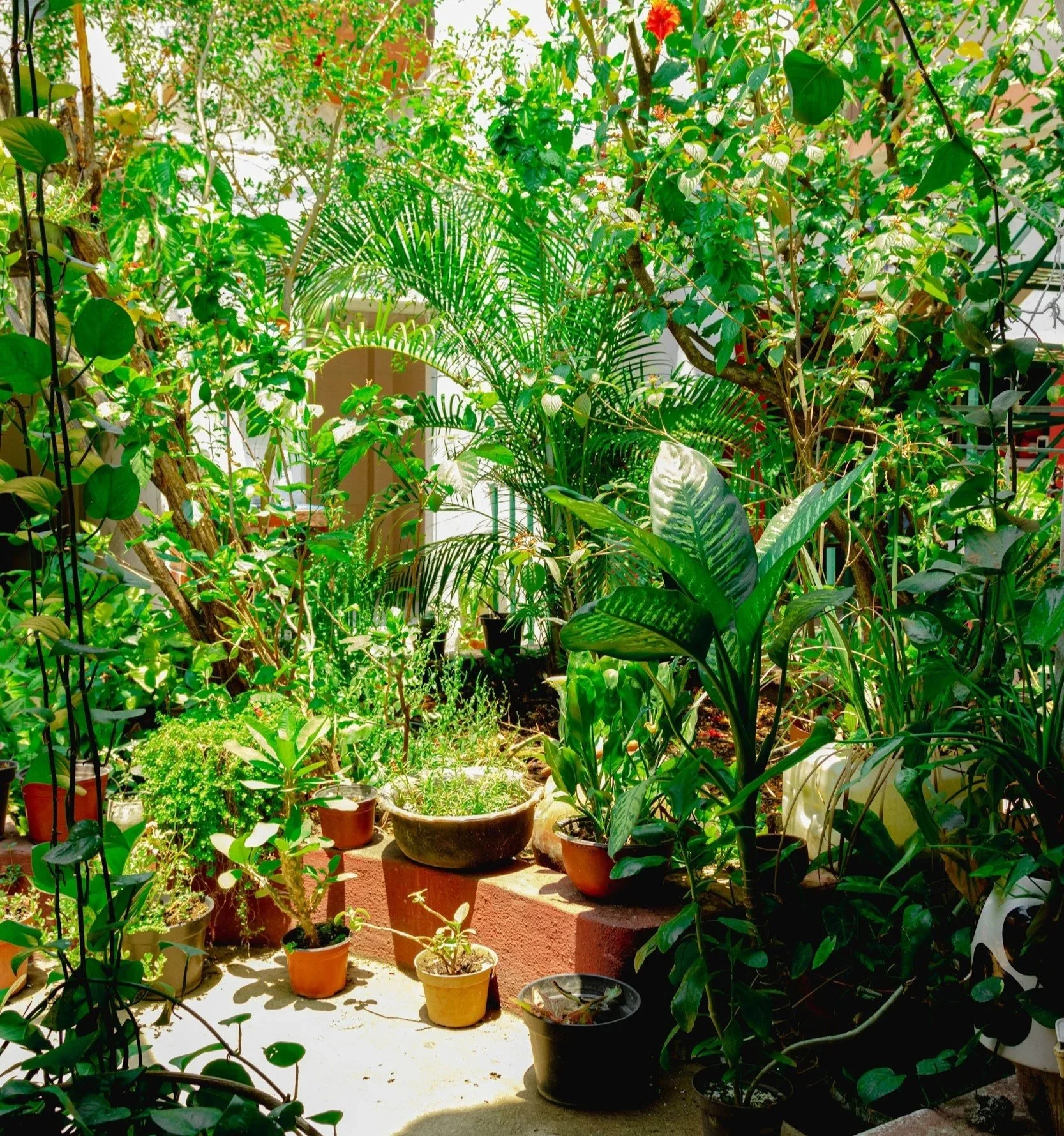
Rather than chaotic planting, gardens are designed to feel organic while still being carefully planned. Wildflower areas, meadow-style lawns, and flowing borders are balanced with clear paths and defined spaces.
This approach delivers the beauty of nature without losing structure or usability.
The result: gardens that feel wild, yet purposeful.
10. Smarter Gardening Tools and Technology
Technology is quietly becoming part of everyday gardening.
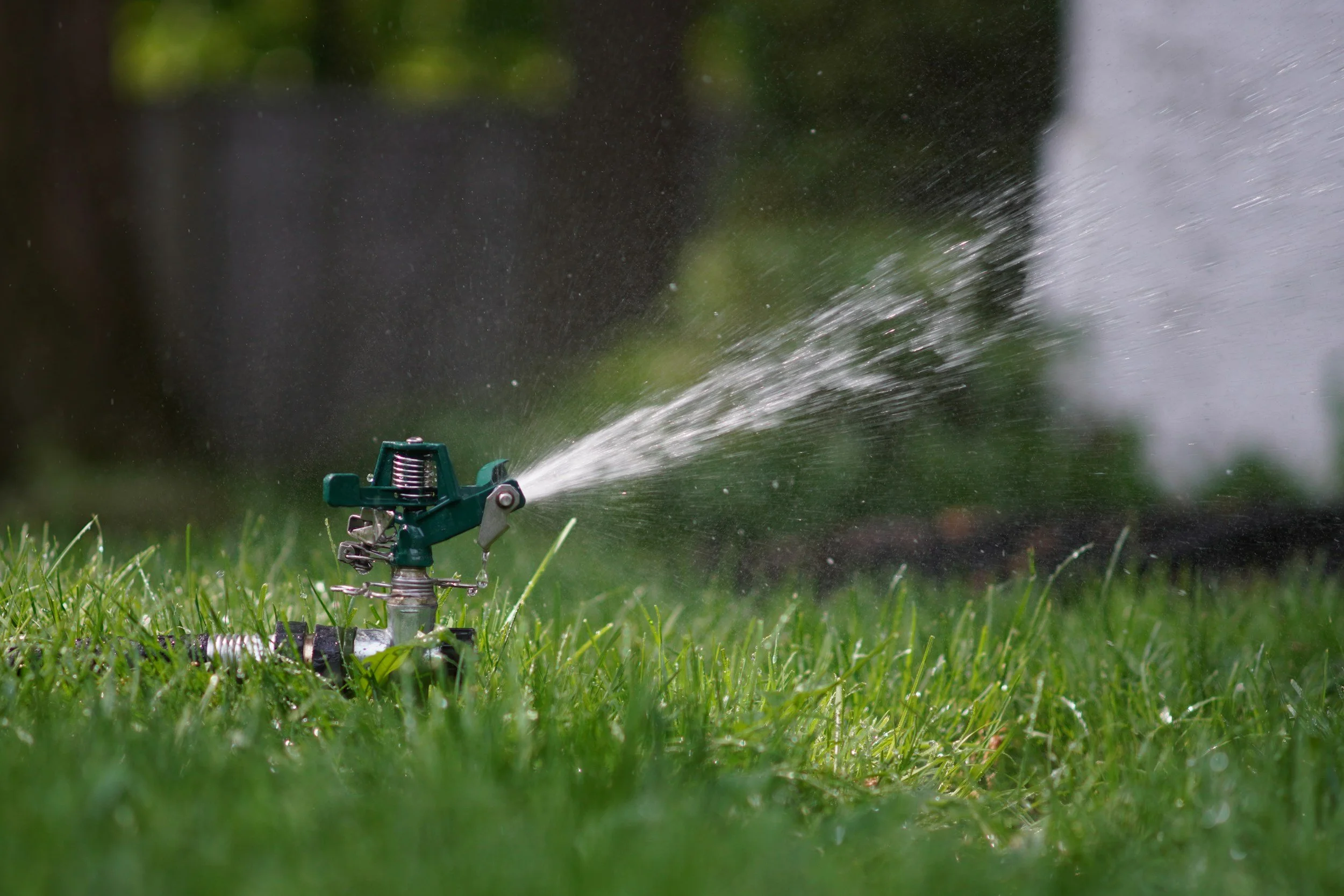
Smart irrigation systems, soil monitoring tools, and garden planning apps help gardeners make better decisions and reduce waste. These tools support healthier plants while saving time and resources.
While tech remains subtle, its role in improving efficiency and sustainability continues to grow.
The result: gardens that are easier to manage and more resilient.
Final Thoughts: The Garden of 2026
Gardens in 2026 are defined by intention. They are designed to cope with changing climates, support wildlife, improve wellbeing, and reflect personal lifestyles. Whether large or small, formal or relaxed, the modern garden is thoughtful, expressive, and deeply connected to nature.
For homeowners, this means gardens feel richer and deliver lasting enjoyment — now and into the future.