

Tips For Purchasing A New Shed: Finding The Perfect Fit For Your Garden
A garden shed isn’t just for storage;
It can be a versatile addition that enhances your garden’s functionality and appeal. Whether you need extra storage, a workshop, or a cozy retreat, choosing the right shed involves thoughtful planning.
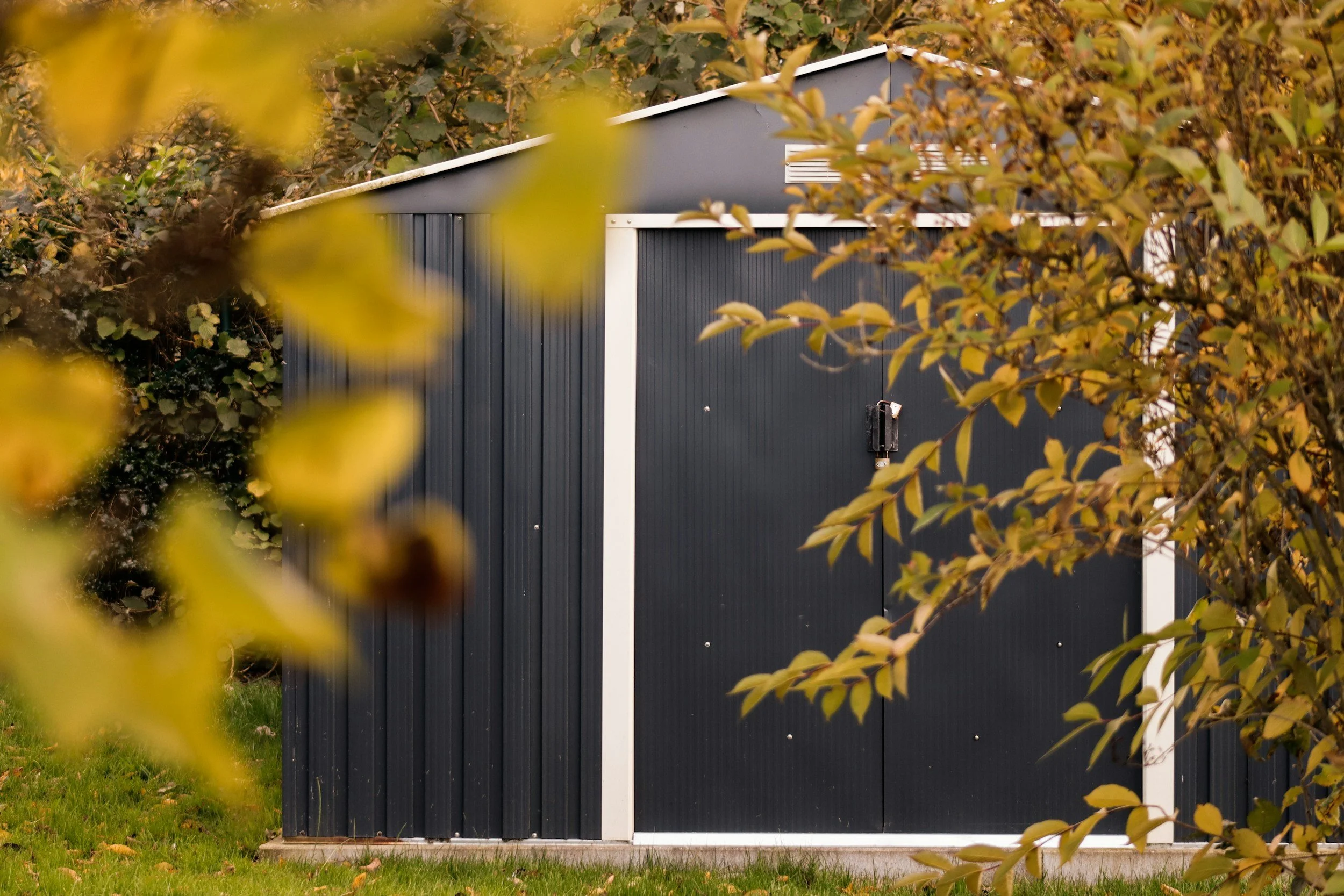
Here’s a concise guide to help you make the right choice.
1. Define the Shed's Purpose
Start by determining what you’ll use the shed for. Will it store gardening tools, serve as a workshop, or be a playhouse for the kids? The purpose will dictate the shed’s size, style, and features, such as shelving for storage or windows and electrical outlets for a workspace.
2. Assess Size and Space
Measure the space in your garden where the shed will go, leaving room for access and maintenance. Consider what you’ll store in the shed, ensuring it’s large enough to accommodate everything comfortably.
3. Choose the Right Material
Select the shed material based on your climate and maintenance preferences:
Wood: Customizable and offers good insulation but requires regular maintenance.
Metal: Durable and low-maintenance but can rust if not properly coated.
Plastic/Resin: Lightweight, easy to maintain, and resistant to rot, though less sturdy.
4. Match the Design to Your Home
Choose a shed design that complements your home’s architecture and garden. Whether traditional or modern, your shed can be a stylish addition to your outdoor space with features like windows, shutters, or flower boxes.
5. Prioritise Security
If you’re storing valuable items, ensure the shed has sturdy doors, secure locks, and lockable windows. Consider additional security measures like alarms or motion-activated lights.
6. Plan the Foundation
A solid foundation is crucial for the shed’s longevity. Options include concrete slabs, gravel bases, or pressure-treated wooden beams, depending on the shed’s size and weight.
7. Consider Ventilation and Lighting
Proper ventilation prevents moisture buildup, reducing the risk of mold and mildew. Consider windows or vents for airflow, and think about natural lighting if the shed will be used as a workspace. Solar-powered lights are a practical, energy-efficient option for after dark.
8. Budget Wisely
Balance your budget with quality. While a cheaper shed might save money upfront, it may require more maintenance over time. Consider long-term costs when choosing materials and features.
9. Plan for Future Needs
Think ahead. Choose a slightly larger shed to accommodate future storage needs or potential upgrades like electricity or insulation. It’s better to have extra space than to outgrow your shed too quickly.
By considering these factors, you’ll find a shed that not only meets your current needs but also enhances your garden for years to come.